Factions
-
The Verdant Heart of Onr
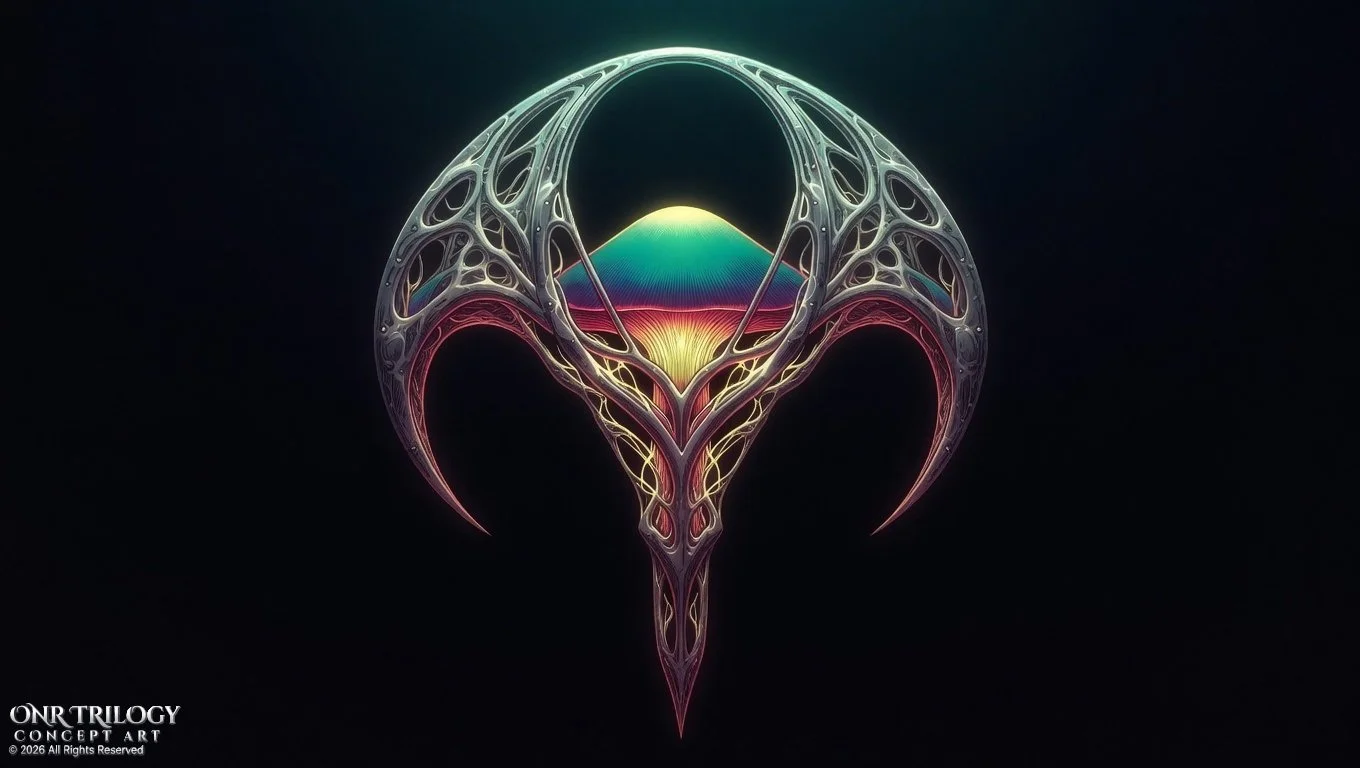
Xahara sprawls across miles of unbroken tropical jungle, river systems, and wetlands that hold the largest and most bio-diverse home on the planet. Towering canopy trees stand hundreds of feet tall, forming vertical layers that shelter everything from iridescent insects to colossal megafauna. Vibrant fungi in electric reds, blues, and yellows carpet the forest floor, some forming trunk-like structures over twenty feet tall that cycle nutrients and house entire micro-ecosystems. Edible vines, fruits, and coastal kelp forests provide reliable sustenance, but the sheer density of life makes every step a negotiation with the wild.
The Xokai navigate a world ruled by giants. Qurahisi amble through the canopy. Sodon and Loxson browse, while Giganthecus processes vegetation with massive jaws. Predators like Vanthyr and Ghegrian prowl the understory, and Domnr dominate rivers. Camouflage are survival necessities here; a single misstep can trigger a stampede or ambush that tests even Luminari healing.
Xahara represents both abundance and hidden danger—its biodiversity mirrors the creative surge of the Light Plane, yet its teeming life makes it fertile ground for Dashan’s Creed of the Flood to spread through whispered sermons of evolution through consumption
-
The Endless Sea of Grass and Wind
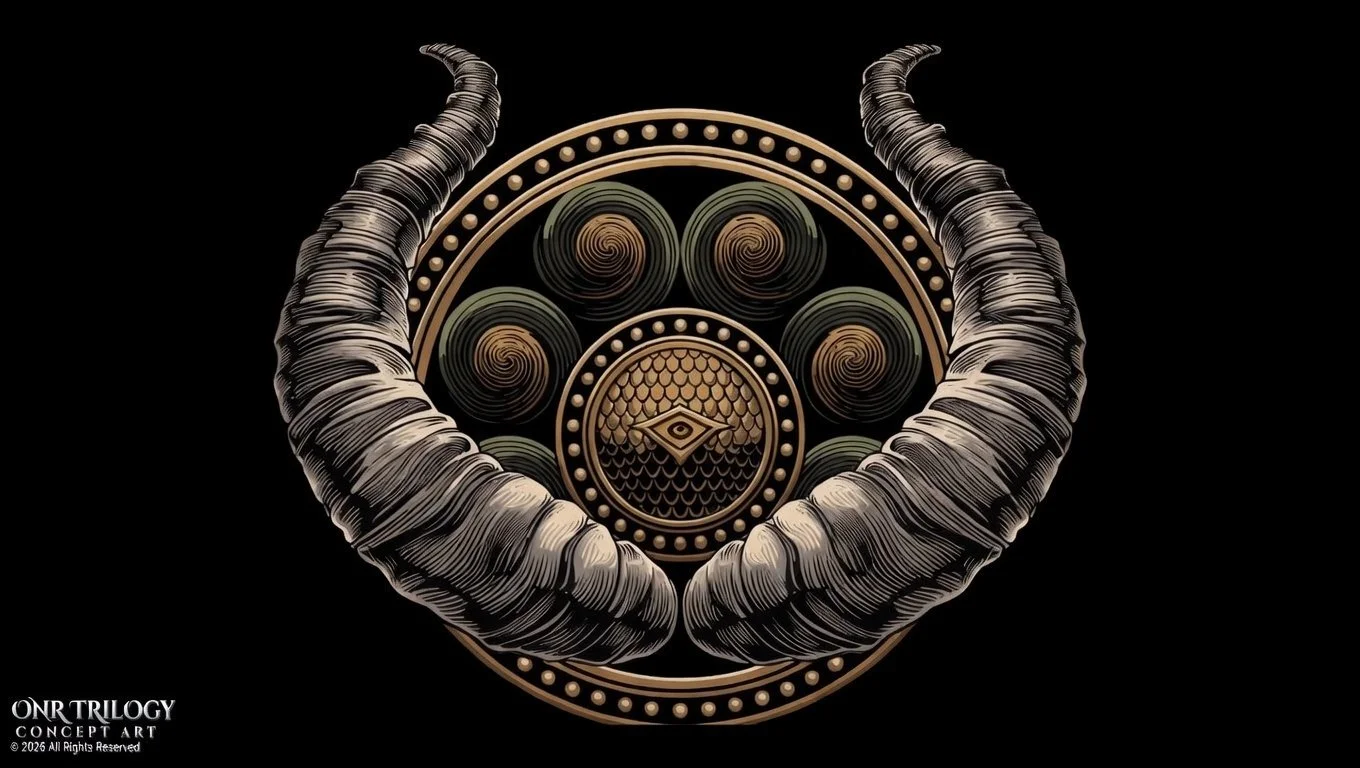
Alta Noyan covers vast, open steppes and grasslands with minimal elevation change. Semi-arid conditions and extreme temperature swings create a landscape of relentless wind and migratory herds. Burrowing rodents aerate the soil, while avian species disperse seeds across the plains. This is a biome of motion: everything migrates, adapts, or perishes.
Herds dominate. Uleshi, Atamai, Eutues, and armored Salatur traverse the plains. Predators include flame-edged Acinon, orange-maned Thakkar, and feathered Taskar pack-hunters. The open terrain rewards speed, endurance, and coordinated hunting, all qualities the Trioni have honed into nomadic mastery.
Trioni culture is built around mobile camps and Grand Councils that demand near-unanimity. Their shamans read herd movements and wind patterns as visible signs of the pump’s testing. Long-distance raids and trade caravans define their history of expansionism and frontier pragmatism. Pre-Cataclysm antagonism toward the Allar heartland lingers in cultural memory, making Trioni territories a flashpoint for Dashan Maro’s Creed of the Flood.
-
Mountains, Seas, and the Forging of Resilience
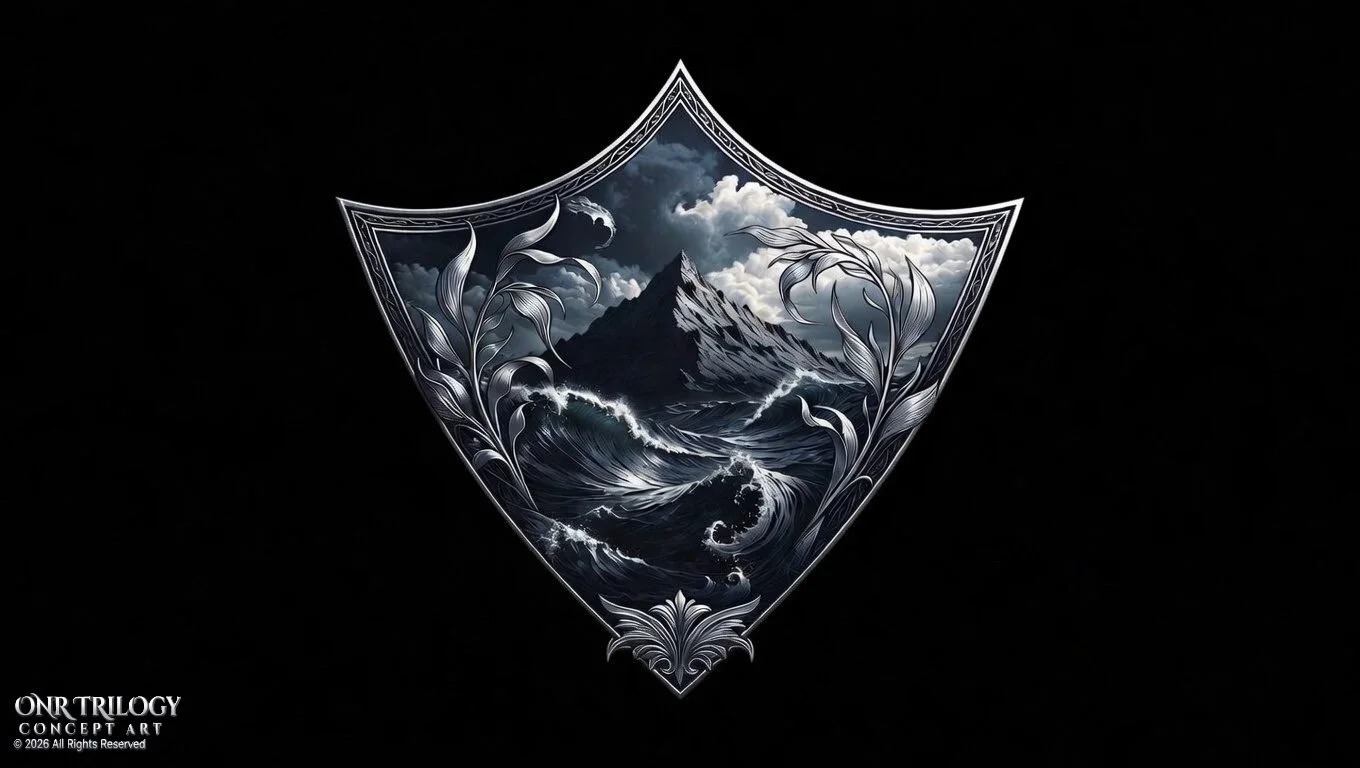
Damokos blends soaring mountains, coastal plains, kelp forests, and deep-sea trenches. Mild coastal climates nurture rich marine and terrestrial life. This biome rewards high-altitude endurance, naval skill, and craftsmanship.
Diverse herds include Eurus horse-like mounts, Koszar wool-providers, long-necked Skarzyn, swift Orsimus, and pack carnivores like Atalan. Roshonn hawks serve as aerial scouts. Culanmar guard settlements with fierce loyalty.
Hadean society blends meritocratic councils with selective breeding traditions carried from the Allar era. Their engineering draws heavily on producing durable tools and coastal vessels. Hadeans value disciplined adaptability, making them natural allies or formidable opponents.
-
The Crucible of Sand and Sun
Kellem’s miles of dunes, canyons, escarpments, oases, and salt flats test every limit. Extreme dryness and diurnal swings create a harsh, beautiful proving ground. Sparse succulents, thorny shrubs, and bioluminescent lichen networks conserve moisture in a landscape of flash floods and hidden aquifers.
Hardy survivors include Bosimi cattle, Tatar with dust-filtering noses, Ceraphus, six-legged Hyuun, venomous Miraada, and opportunistic Naboya scavengers. Ephemeral rivers and hidden pools support life that appears only when conditions allow.
Loquiri society is theocratic and survivalist, interpreting the pump through doctrinal lenses of consumption and divine order. Fanaticism and endurance define their identity; their territories become fertile soil for ideological extremism in the trilogy.
-
The Misty Archipelagos
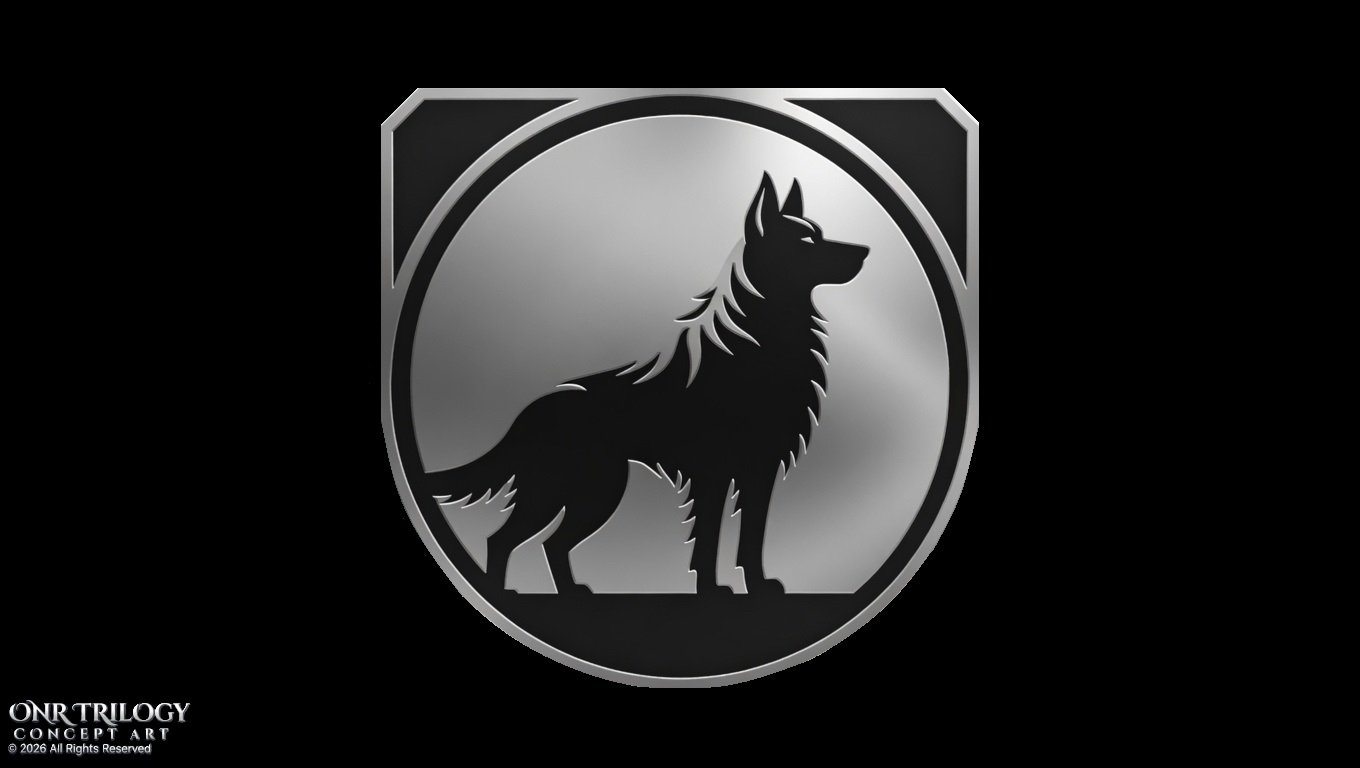
Emyrea features misty islands, rugged coastlines, deep peat bogs, and near-constant fog. Mild, damp conditions nurture ancient woodlands, luminous mosses, and glowing insects. It is atmospheric, delicate, and hauntingly beautiful.
Torok and Uma herds, armored Omandur browsers, Tarandus, Mathancar, Aderyn, and loyal Voldugu canines define the ecosystem. Legends swirl around the intelligence of Voldugu beasts.
Eldrik society values myth, loyalty, and careful stewardship. Their elder gatherings echo Allar consensus while incorporating local lore and herd guardianship traditions.
-
The Frozen Silence
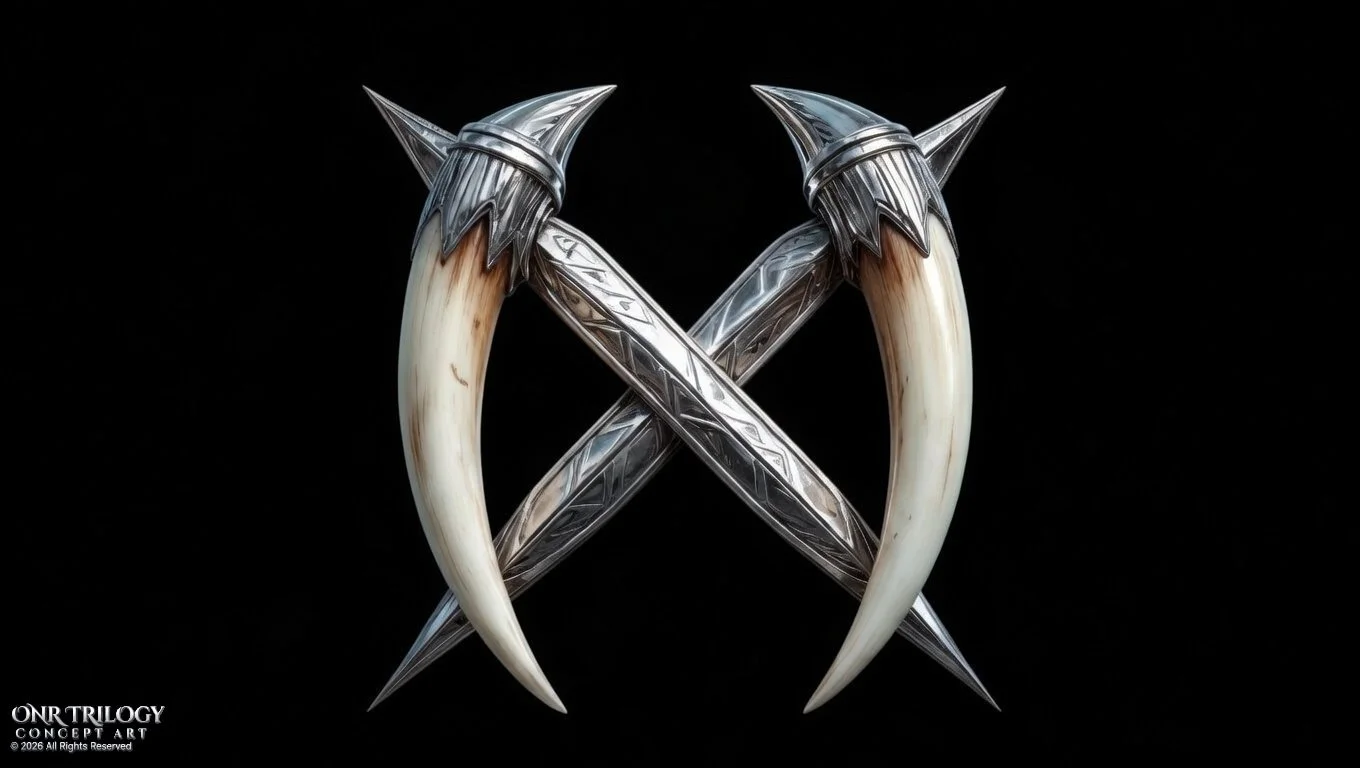
N’kyo’s miles of taiga and tundra feature permafrost, extreme cold, heavy seasonal snow, and high winds. Glacial features cover almost half of the land, with nutrient cycling relying on manure decomposition and brief thaws.
Adaptations rule. Velfang saber-tooths hunt by sound in fog, Bogwyrm predators lurk in bogs, Harrier flyers ride updrafts, Fogstags and Maroa mammoths traverse saturated ground, and coastal Keridek wade kelp forests.
Velkan life emphasizes endurance, communal warmth, and oral preservation of cultural lore. Their remoteness preserved certain traditions in purer form, making them quiet keepers of ancient knowledge.
-
The Thunderplains and Silt Seas
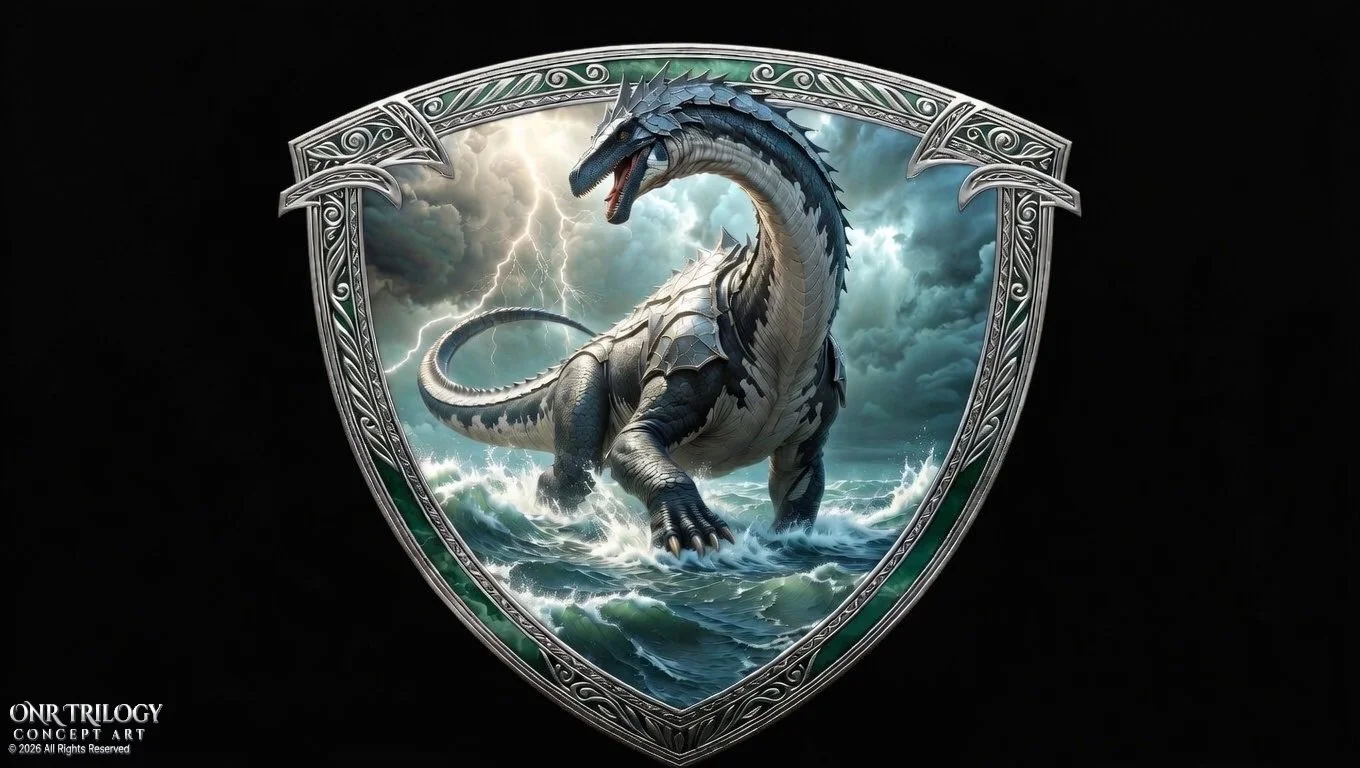
Corvidier is a vast network of fertile river deltas, braided rivers, thunderplains, and stepped plateaus. Warm summers, mild winters, frequent electrical storms, and monsoon humidity create explosive growth and dramatic skies.
Ridyan semi-aquatic predators, Gatlaca pack hunters, Silossus armored herbivores, Dolanner long-legged waders, Thuneer grazers, and colossal Revidian traverse silt plains.
Corvese life revolves around flood cycles, storm observation, and communal labor in the nutrient-rich silt. Their councils balance pragmatism with resilience.
-
The Roof of Onr
Aldara consists of soaring ridges, sheer cliffs, wind-sculpted spires, and high plateaus. Cool, thin-air conditions favor vertically specialized life. Hardy vines, mosses, and lichen cling to impossible faces.
Skeer aerial hunters ride updrafts, Vithra predators chase across plateaus, Clariel and Hiorn woolly high-altitude foragers, Calhor horned herd animals, Arunn gliders, and Hylac lichen-camouflaged herbivores dominate the vertical world.
Aldaran culture prizes balance, endurance, and vertical mastery. Consensus decision-making is shaped by the practical demands of cliffside living and thin-air resource management.

-
The Heart of the Remnant
Khar Vall is a temperate maritime archipelago of rolling hills, rugged coastlines, fertile valleys, dense fog, and peat bogs. Mild temperatures and high rainfall support ancient woodlands and nutrient-rich soils. This is the central setting of the trilogy’s present-day story, the ruins of the old Allar heartland where the Valraan family makes their stand.
Lacsiru leathery giants, swift Straveer, and camouflaged Kellar inhabit cooler zones. The biome’s balance of land and sea makes it a crossroads for trade and conflict.
The Allar faction clings most tightly to golden-age consensus governance, hydroponics, and pump-aware rituals. It is here that Luminari scarcity is most keenly felt.